Areas of Concern

Lipoedema

Recognising the signs is the first step to taking action.

Recognise

The signs

Feeling of heaviness and tiredness in the legs, even after rest
Pain on pressure or discomfort when touching the affected area
Bruises that appear easily
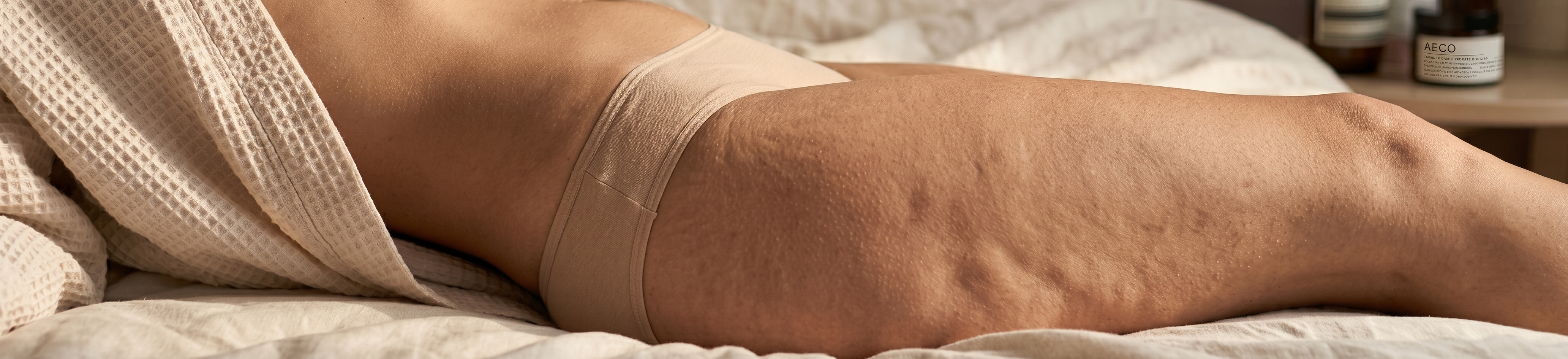
Skin with a granular texture to the touch
Visible disproportion between trunk and lower limbs
Behind the condition

Lipoedema, simplified

It is a chronic disease of adipose tissue, characterised by an abnormal and symmetrical accumulation of fat — predominantly in the legs and hips. It mainly affects women and tends to manifest or worsen during periods of hormonal changes — puberty, pregnancy, menopause. It does not respond to diet or exercise, but with the right care it is possible to relieve symptoms and slow progression.

Technology & therapeutics

How we are equipped to treat

Addresses the three components of lipoedema — oedema, fibrosis and sclerosis. As a complement to the clinical plan, it improves mobility, reduces discomfort and improves quality of life.

Day-to-day care

Habits that make a difference

Regular movement
Low-impact activities — walking, swimming, yoga — stimulate circulation without overloading.
Therapeutic compression
Graduated compression stockings and garments support venous return and reduce daily discomfort.
Abundant hydration
Drinking 1.5–2L of water per day helps the lymphatic system function properly.
Anti-inflammatory diet
Prioritise vegetables, omega-3 and reduce refined sugars and processed products.
Manual drainage
Regular lymphatic drainage sessions complement clinical treatment and relieve oedema.
Avoid prolonged heat
Saunas, very hot baths and prolonged sun exposure can worsen swelling.
Do you have other areas of concern?
Celulite
Cellulite
Rugas & flacidez
Wrinkles & sagging
Manchas & melasma
Spots & melasma
Pernas pesadas
Heavy legs
Estrias
Stretch marks
Acne
Acne
Cicatrizes
Scars
Linfedema
Lymphoedema
Solicitar contacto telefónico